
Anyone who spends a day on a boat with a bathroom (or “head”) eventually gets to experience the joys of using the onboard facilities. Whether you’re cruising in a small 16-foot outboard or relaxing on a 40-foot sailboat, nature calls—and it doesn’t care where you are. But why can’t we just treat the water like one big restroom?
The issue is that sewage in our waterways can cause real problems. Bacteria from waste can make swimming and boating unsafe, close down shellfish beds, and contaminate local waters. Extra nutrients from sewage can fuel harmful algal blooms, which throw off the natural balance in the ecosystem. The good news is that boaters have several responsible options for handling waste on board—like portable toilets, holding tanks, and onboard treatment systems. The right choice depends on your boat size, where you boat, nearby pumpout stations, and whether you’re in a No Discharge Zone.
Portable Toilets
Portable toilets are a popular, affordable option. They’re completely self-contained: the top holds water for flushing, and waste is collected in the bottom tank each time you use it. They usually last several days before needing to be emptied. Even though they aren’t considered official Marine Sanitation Devices (MSDs)—because they aren’t permanently installed—they’re legal to use on all waters.
Installed Toilets & MSDs
If your boat has a built-in toilet, the law requires that it be paired with a certified Marine Sanitation Device (MSD). These systems follow standards set by the EPA and enforced by the Coast Guard. An MSD setup can include a toilet, a holding tank, and/or a waste-treatment device.
Here are a few simple tips to make managing sewage on your boat a lot easier:
- Use onshore restrooms whenever possible. Before heading out, encourage your guests to take a quick trip to the marina facilities.
- Keep your head and plumbing in good shape. Invest in quality hoses and parts—they help reduce odors and keep everything working smoothly.
- Don’t be shy—talk about it! Let your boating friends know why using pumpout stations matters for clean, healthy waterways.
- Follow the law. Never dump untreated sewage into any coastal or inland waters.
- Know if you’re in a No Discharge Zone. In these areas, it’s illegal to discharge any sewage—treated or untreated—so make sure you’re aware of local rules before you head out.
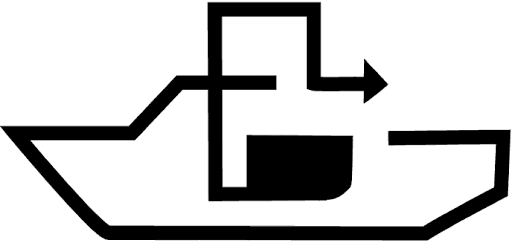
This national symbol tells boaters where they can find onshore pumpout stations. It’s important to recognize it—especially if you use a portable toilet or a Type III MSD (holding tank) on your boat.
If your boat has a holding tank, using a pumpout station is simply part of regular operation. Just remember: pumpouts require a little patience. A small mistake can turn into a big mess, so take your time and follow the steps carefully. This video will guide you through how to use a pumpout station safely and correctly.
Sewage laws are some of the most confusing rules for boaters, so let’s make things simple. It is illegal to dump untreated sewage into inland waters or anywhere within 3 miles of shore. To legally handle waste, you must either have an onboard treatment system (a Type I or Type II MSD) or a holding tank (Type III MSD) that allows you to pump out the waste onshore.
All installed MSDs must be U.S. Coast Guard–certified, and they must have a properly positioned Y-valve:
- Type I and Type II MSDs: These systems treat sewage, but the Y-valve must be secured so waste can only go into a holding tank for later pumpout—never overboard.
- Type III MSDs: These units have a built-in holding tank and cannot discharge overboard at all. They must always be emptied at a pumpout station.
No Discharge Zones (NDZs)
A No Discharge Zone is an area where no sewage of any kind—treated or untreated—may be released into the water. If you’re boating in an NDZ, you must keep all sewage on board until you can pump out onshore or until you’re at least 3 miles offshore in open ocean.
NDZs exist to:
- Protect sensitive aquatic habitats when pumpout facilities are readily available
- Safeguard special species or ecosystems (even if pumpout facilities aren’t nearby)
- Protect drinking water sources and human health
NDZs are regulated under the Clean Water Act, and states can request certain waters to be designated as NDZs.
It’s extremely important to know where these zones are before you head out. NDZ boundaries are clearly marked on NOAA charts, so make sure to check your charts for any restrictions in the area you’ll be boating.
Sewage from a boat is known as black water. Gray water, on the other hand, comes from sinks, showers, dishwashing, and general boat cleaning. Even though gray water sounds harmless, it can still contain soaps, detergents, and food scraps. In the U.S., there are currently no federal rules requiring you to contain gray water, but some places—like parts of Canada and certain inland lakes—do have extra restrictions. Always check your local cruising guide or state boating agency so you know the rules for your area.
Here are some easy ways to cut down on gray water:
- Use shoreside facilities when doing dishes, laundry, or anything that uses a lot of fresh water.
- For short trips, give dishes a quick rinse on the boat and take them home to wash later.
- Choose eco-friendly products—look for non-toxic, biodegradable, phosphate-free soaps, and use only what you need.
- Keep showers short to save both water and gray-water output.
It is against the law in North Carolina to place, dump, or discharge any kind of litter or waste—including trash, bottles, cans, paper, raw sewage, or any other harmful materials—into public inland waters. These pollutants can make the water dirty, unsafe, or unhealthy, and they can spoil recreational use for everyone. Violations are considered a misdemeanor.
If your boat has a toilet on board, you are required to have a system that collects and contains all waste, keeping it out of lakes, rivers, and other fresh waters. North Carolina law strictly prohibits the discharge of sewage—or anything that comes from sewage—into the state’s fresh waters.
To stay in compliance:
- Type I and Type II MSDs must have their Y-valve secured so waste can only flow into a holding tank for pumpout at an approved facility.
- Type III MSDs have a built-in holding tank and cannot discharge overboard under any circumstances. They must always be pumped out at a proper pumpout station.